
Instructional Assistants in Special Education offer vital support, aiding students with diverse needs under teacher guidance. They facilitate learning and inclusion within classrooms.
These professionals assist with IEP implementation, prepare materials, and provide one-on-one or small group instruction, fostering a positive educational experience.
Their role is crucial for creating accessible learning environments and helping students achieve their individualized goals, contributing significantly to student success.
What is a Special Education Instructional Assistant?
A Special Education Instructional Assistant, often called a Paraprofessional or Teacher Assistant, is a dedicated professional who supports students with disabilities in educational settings.
Their primary duty involves assisting a licensed Special Education teacher in delivering instruction to individuals or small groups, tailoring support to meet specific IEP goals.
Assistants help prepare instructional materials, monitor student progress, and implement classroom discipline strategies. They provide crucial one-on-one assistance with assignments and projects, ensuring students can access the curriculum.
Ultimately, they foster a positive learning environment and contribute to the overall success of students with diverse learning needs, working under the direction of administrators and teachers.
The Importance of the Role
The Instructional Assistant’s role in Special Education is profoundly important, directly impacting student achievement and inclusion.
Assistants free up teachers to focus on individualized planning and complex IEP implementation, maximizing instructional time.
They provide crucial individualized support, enabling students with disabilities to access the curriculum and participate fully in classroom activities.
Their presence fosters a more supportive and inclusive learning environment, promoting positive social-emotional development.
Effectively, they bridge gaps, facilitate progress, and contribute significantly to a student’s overall educational experience and future success.

Core Responsibilities & Duties
Instructional Assistants provide direct student support, assist with IEP goals, prepare materials, and aid classroom management, ensuring inclusive learning environments.
Direct Student Support
Instructional Assistants offer crucial one-on-one assistance, helping students navigate assignments and projects, fostering independence and academic progress. They provide individualized support tailored to specific needs, reinforcing lessons and clarifying concepts presented by the teacher.
This direct support extends to assisting with physical needs, mobility, and personal care, ensuring students can fully participate in classroom activities. They actively monitor student engagement, providing encouragement and positive reinforcement to build confidence and motivation.
Furthermore, they help students develop essential life skills and social-emotional competencies, promoting overall well-being and successful integration within the school community.
Assisting with IEP Implementation
Instructional Assistants play a key role in bringing Individualized Education Programs (IEPs) to life, working closely with teachers to understand and implement specific goals and accommodations. They meticulously follow IEP guidelines, ensuring students receive the support outlined for their unique learning requirements.
This includes adapting materials, modifying assignments, and providing specialized instruction as detailed in the IEP. Assistants diligently collect data on student progress, documenting observations and contributing to IEP reviews.
Their consistent implementation of IEP strategies is vital for maximizing student achievement and fostering a supportive learning environment.
Preparing Instructional Materials
Instructional Assistants significantly contribute to lesson preparation by creating and organizing a wide range of materials tailored to students’ diverse needs. This encompasses photocopying, assembling packets, and adapting existing resources to ensure accessibility for all learners.
They may also create visual aids, manipulatives, and other hands-on tools to enhance understanding and engagement. Assistants often prepare materials in advance, allowing teachers to focus on direct instruction.
Efficient material preparation is crucial for smooth lesson delivery and maximizing instructional time, ultimately supporting student success in the classroom.
Classroom Management Support
Instructional Assistants play a key role in maintaining a positive and productive learning environment by providing crucial classroom management support. This includes assisting with transitions, reinforcing classroom rules, and helping to redirect students who may be struggling with behavior.
They proactively monitor student interactions, identifying and addressing potential issues before they escalate. Assistants also help organize the classroom, ensuring a safe and orderly space conducive to learning.
Their support allows the teacher to focus on instruction, fostering a calm and focused atmosphere for all students.

Specific Tasks & Activities
Instructional Assistants engage in diverse activities: one-on-one help, small group lessons, progress monitoring, and behavioral support, all under teacher direction.
One-on-One Assistance
Instructional Assistants frequently provide individualized support, working directly with students needing focused attention. This often involves assisting with assignments, clarifying instructions, and reinforcing concepts presented by the teacher.
They may help students stay on task, manage materials, and navigate classroom routines. For students with physical limitations, assistance can include mobility support and adaptive equipment usage.
Crucially, this support is tailored to each student’s IEP goals, promoting academic and personal growth. Assistants observe student responses and report progress to the teacher, ensuring effective intervention.
This dedicated attention fosters confidence and allows students to participate more fully in learning activities.
Small Group Instruction
Instructional Assistants often lead small group sessions, reinforcing skills taught by the special education teacher. These groups are typically formed based on similar learning needs or IEP goals, allowing for targeted instruction.
Activities might include reviewing concepts, practicing skills, or completing supplemental exercises. Assistants provide individualized attention within the smaller setting, addressing specific student challenges.
They utilize pre-prepared materials or adapt lessons as needed, ensuring accessibility for all learners. Careful monitoring of student participation and understanding is essential.
This approach fosters collaboration and peer support, enhancing the learning experience.
Monitoring Student Progress
Instructional Assistants play a key role in observing and documenting student performance, providing valuable data to the special education teacher. This involves tracking completion of assignments, noting areas of difficulty, and observing behavioral patterns.
They may collect work samples, record anecdotal notes, or assist with administering informal assessments. This information helps the teacher tailor instruction and adjust IEP goals.
Consistent monitoring allows for early identification of challenges and timely interventions. Accurate and detailed documentation is crucial for effective progress tracking.
Assistants contribute to a data-driven approach to student support.
Behavioral Support
Instructional Assistants often provide crucial support in managing student behavior within the classroom setting, implementing strategies outlined in IEPs or behavior intervention plans. This may involve reinforcing positive behaviors, redirecting challenging actions, and assisting with de-escalation techniques.
They observe and document behavioral incidents, providing valuable information to the teacher and other team members. Maintaining a calm and supportive environment is essential.
Assistants help students develop self-regulation skills and navigate social interactions. They prioritize safety and promote positive behavioral outcomes.
Consistent implementation of behavioral strategies is key.

Collaboration & Communication
Instructional Assistants work closely with teachers, parents, and related service providers to ensure student success through consistent communication and shared strategies.
Effective teamwork is vital for implementing IEP goals and addressing individual student needs collaboratively.
Working with Special Education Teachers
Instructional Assistants provide invaluable support to Special Education Teachers, functioning as a crucial extension of their expertise within the classroom setting.
They collaborate closely, receiving direction and guidance on lesson implementation, student support strategies, and IEP goal attainment.
Assistants contribute by offering insights into student progress, behavioral observations, and the effectiveness of various instructional techniques.
This partnership ensures a cohesive and tailored educational experience, allowing teachers to focus on individualized planning and complex student needs while assistants provide consistent, hands-on support.
Regular communication and shared responsibility are key to maximizing student outcomes.
Communication with Parents/Guardians
Instructional Assistants often play a role in maintaining open communication with parents and guardians, fostering a strong home-school connection.
While direct communication is typically guided by the Special Education Teacher, assistants may share updates on student progress, positive behaviors, or challenges observed in the classroom.
They can relay information regarding daily activities, IEP goal work, and upcoming events, always ensuring consistency with the teacher’s messaging.
Assistants contribute to a collaborative environment, supporting parental involvement and ensuring families are informed partners in their child’s education.
Maintaining professionalism and confidentiality is paramount in all interactions.
Collaboration with Related Service Providers
Instructional Assistants frequently collaborate with related service providers – such as speech therapists, occupational therapists, and counselors – to support student needs.
They may assist in implementing therapy recommendations within the classroom setting, providing valuable observations regarding student responses and progress during sessions.
Assistants can help prepare materials for therapy activities and ensure a conducive environment for service delivery, facilitating seamless integration of support.
Open communication and shared insights contribute to a holistic approach, maximizing the effectiveness of interventions and promoting student success.
This teamwork ensures comprehensive support for each student.
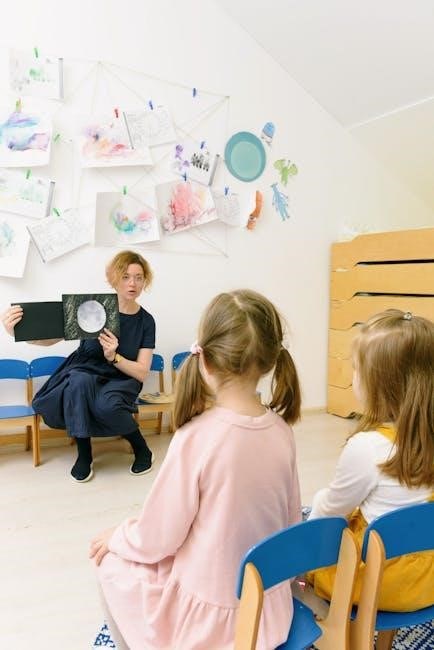
Administrative & Logistical Duties
Instructional Assistants handle record-keeping, documentation, and classroom organization, ensuring a safe and efficient learning environment for all students.
They also assist with assessment preparation and contribute to maintaining essential student files and progress reports.
Record Keeping & Documentation
Instructional Assistants play a crucial role in maintaining accurate and organized records related to student progress and behavior. This includes diligently documenting observations during one-on-one sessions, small group instruction, and classroom activities.
Detailed notes on student performance, challenges encountered, and successful strategies are essential for informing instructional decisions and IEP reviews. Assistants may also assist with tracking data related to specific goals outlined in a student’s IEP.
Maintaining confidentiality and adhering to data privacy regulations are paramount when handling sensitive student information, ensuring compliance with legal and ethical standards.
Maintaining a Safe & Organized Classroom
Instructional Assistants contribute significantly to creating a secure and structured learning environment for students with special needs. This involves proactively monitoring the classroom to identify and address potential safety hazards, ensuring a physically and emotionally safe space.
Organizing materials, maintaining a tidy workspace, and assisting with classroom setup are key responsibilities. They help establish routines and procedures that promote predictability and reduce anxiety for students.
By fostering a well-maintained classroom, assistants support student focus, engagement, and overall well-being, contributing to a positive learning atmosphere.
Assisting with Assessments
Instructional Assistants play a crucial role in supporting the assessment process for students with special needs. This often involves preparing assessment materials, setting up testing environments, and assisting students during assessments as directed by the teacher.
They may read test questions aloud, provide necessary accommodations, and help students remain focused during testing. Accurate record-keeping of assessment data, under teacher supervision, is also a key duty.
Assistants contribute to a smooth and effective assessment process, ensuring students have equitable opportunities to demonstrate their knowledge and skills.

Understanding IEPs
Instructional Assistants must understand IEPs – Individualized Education Programs – to effectively support students’ unique goals and accommodations in the classroom.
Familiarity with IEP components ensures consistent implementation of strategies and contributes to student progress monitoring and success.
Key Components of an IEP
Instructional Assistants play a role in understanding the core elements of a student’s IEP. These documents detail present levels of performance, outlining academic and functional skills.
IEPs also contain measurable annual goals, specifying what a student aims to achieve within a year, and the necessary accommodations or modifications to support their learning.
Understanding specialized instruction, related services (like speech therapy), and assessment methods detailed within the IEP is crucial for effective assistance. Knowing these components allows Assistants to contribute to a student’s progress.
Furthermore, IEPs outline participation details, like inclusion time, and transition plans for future goals.
Confidentiality & Data Privacy
Instructional Assistants working in Special Education must uphold strict confidentiality regarding student information. This includes IEP details, academic performance, behavioral observations, and personal circumstances.
Protecting student privacy is paramount, adhering to regulations like FERPA (Family Educational Rights and Privacy Act). Discussions about students should occur in private settings, avoiding public spaces.
Data collection and documentation must be handled securely, following school policies. Assistants should never share student information with unauthorized individuals, ensuring ethical and legal compliance.
Maintaining trust with students and families relies heavily on respecting their privacy and safeguarding sensitive data.
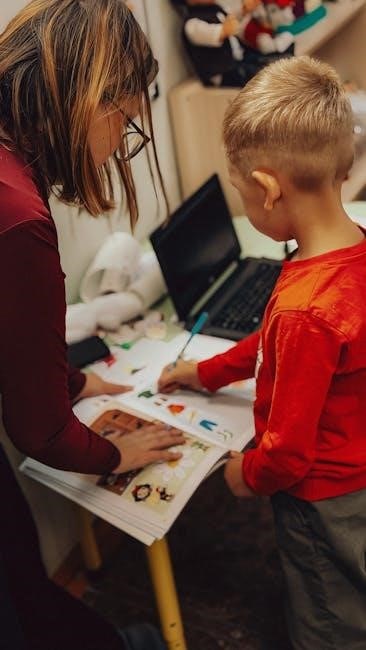
Essential Skills & Qualifications
Instructional Assistants require strong communication, patience, and organizational skills. Empathy, adaptability, and a commitment to student success are also fundamentally important.
These roles often benefit from relevant training or experience working with students with diverse learning needs and abilities.
Communication Skills
Effective communication is paramount for Special Education Instructional Assistants. They must clearly convey information to students, adapting language to individual needs and learning styles.
Regular, open communication with the Special Education teacher is essential for discussing student progress, challenges, and modifications to IEP goals.
Assistants also need to communicate effectively with parents/guardians, providing updates and addressing concerns with sensitivity and professionalism.
Strong written communication skills are vital for documenting observations, progress notes, and any relevant student information, ensuring accurate record-keeping.
Patience & Empathy
Patience is a cornerstone quality for Special Education Instructional Assistants, as students may require repeated explanations or assistance with tasks. Understanding individual learning paces is crucial.
Empathy allows assistants to connect with students on an emotional level, recognizing their frustrations and celebrating their achievements, fostering a supportive environment.
Students with special needs may exhibit challenging behaviors; a calm and understanding approach, rooted in empathy, is essential for de-escalation and positive reinforcement.
Demonstrating genuine care and compassion builds trust, encouraging students to engage and participate fully in their learning journey.
Organizational Skills
Organizational skills are paramount for Special Education Instructional Assistants, involving meticulous preparation of instructional materials and maintaining a structured classroom environment.
Effectively managing student records, IEP documents, and assessment data is critical for tracking progress and ensuring individualized support is consistently delivered.
Prioritizing tasks, managing time efficiently, and maintaining a clean and organized workspace contribute to a smooth and productive learning experience for students.
Strong organizational abilities allow assistants to proactively support the teacher and meet the diverse needs of students with special needs effectively.

Professional Development & Training
Instructional Assistants benefit from ongoing training, including IEP understanding, behavioral strategies, and special education best practices for student success.
Required Certifications & Training
Typically, a high school diploma or equivalent is the foundational requirement for Instructional Assistants. However, many districts now prioritize candidates with some college coursework or an Associate’s degree. Specific certifications vary significantly by state and local education agencies.
Often, passing a paraprofessional exam, like the Praxis ParaPro Assessment, is mandatory, demonstrating competency in reading, writing, and math skills. Additional training frequently includes coursework in special education, behavior management techniques, and IEP implementation.
Mandated reporter training, covering child abuse recognition and reporting procedures, is almost universally required, ensuring student safety and well-being.
Ongoing Professional Growth
Continuous learning is vital for Special Education Instructional Assistants, given the evolving needs of students and advancements in best practices. School districts often provide opportunities for professional development, including workshops on new instructional strategies and assistive technologies.
Staying current with IEP guidelines and legal requirements is crucial, as is deepening understanding of various disabilities and effective support techniques. Seeking out relevant certifications, like those in behavior analysis or autism spectrum disorders, demonstrates commitment.
Collaboration with teachers and participation in peer learning communities further enhance skills and knowledge.
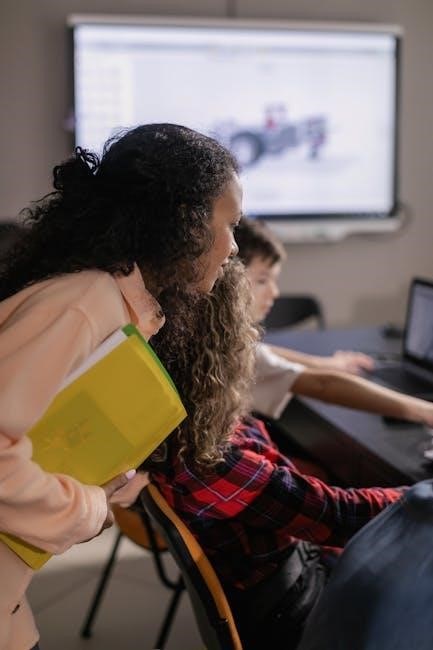
Legal & Ethical Considerations
Instructional Assistants must adhere to strict confidentiality regarding student information and comply with mandated reporting laws concerning suspected abuse or neglect.
Upholding student rights and advocating for their needs are paramount ethical responsibilities within the special education setting.
Mandated Reporting
Instructional Assistants, due to their close interactions with students, are often legally obligated as mandated reporters. This means they must report any suspected instances of child abuse or neglect to the appropriate authorities, regardless of personal beliefs.
Recognizing signs of abuse – physical, emotional, sexual, or neglect – is crucial, and reporting procedures vary by state. Assistants should be thoroughly trained on identifying these indicators and understanding the reporting process.
Failure to report suspected abuse can carry legal consequences. Prioritizing student safety and well-being is the primary ethical and legal responsibility in these situations, ensuring a protective learning environment.
Student Rights & Advocacy
Instructional Assistants play a role in upholding the rights of students with disabilities, ensuring they receive the accommodations and support outlined in their IEPs. This includes advocating for their access to the general education curriculum and a positive learning environment.
Assistants should be aware of students’ rights to confidentiality and participate in creating an inclusive classroom. Respecting student dignity and promoting self-advocacy skills are also key components.
By fostering a supportive atmosphere, assistants empower students to understand and exercise their rights, contributing to their overall educational success and well-being.
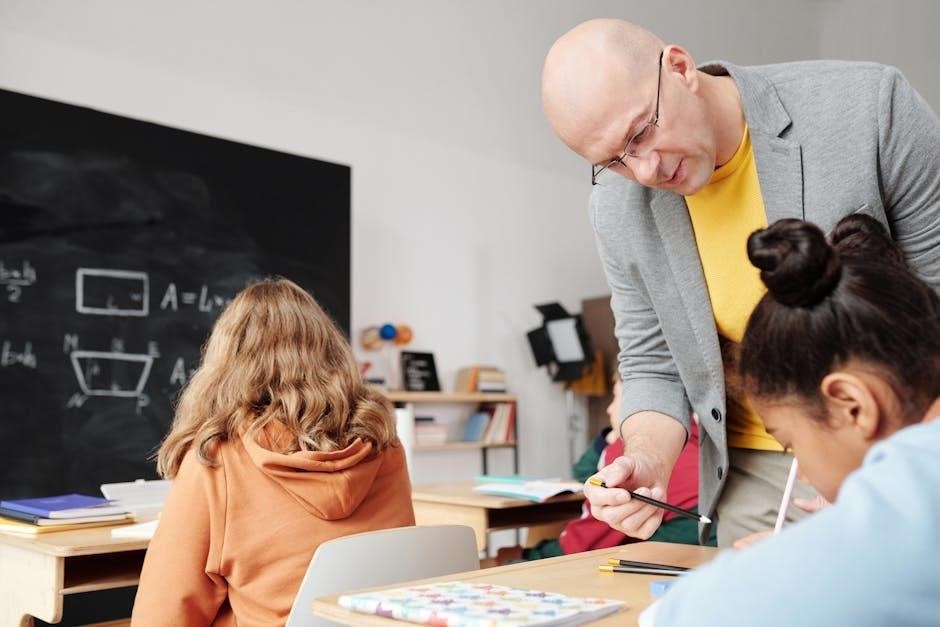
The Evolving Role of the Instructional Assistant
Instructional Assistants are increasingly adapting to diverse student needs and integrating technology to enhance learning experiences and support individualized instruction.
Adapting to Diverse Student Needs
Instructional Assistants must demonstrate flexibility in supporting students with a wide spectrum of disabilities and learning styles. This requires a proactive approach to understanding each student’s unique IEP goals and adapting instructional strategies accordingly.
They may need to modify materials, provide differentiated support, or implement specific behavioral interventions. Effective communication with the Special Education teacher is paramount to ensure consistent and appropriate support.
Furthermore, Assistants should be prepared to address varying levels of academic and functional skills, fostering an inclusive and equitable learning environment for all students.
Technological Integration
Instructional Assistants increasingly utilize technology to enhance Special Education instruction and support student learning. This includes assisting students with assistive technology devices, software programs, and online learning platforms.
They may help students navigate digital resources, complete assignments using technology, or access alternative communication tools. Familiarity with various educational apps and software is beneficial.
Assistants also support teachers in utilizing technology for data collection, progress monitoring, and creating accessible learning materials, ensuring all students benefit from technological advancements.