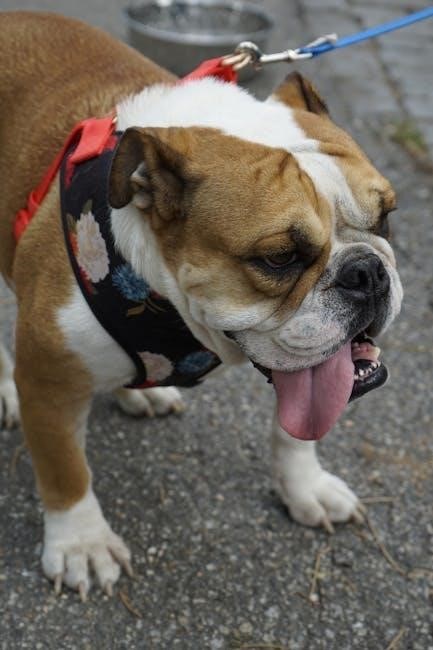
Navigating puppyhood with an English Bulldog requires a tailored nutritional approach! Consistent feeding, high-quality ingredients, and veterinary guidance are crucial for optimal growth and well-being․
Establishing a solid nutritional foundation is paramount for your English Bulldog puppy’s health and development․ These charming companions have unique needs, differing from many other breeds, demanding careful consideration when selecting a diet․ Early nutrition significantly impacts their growth rate, bone development, and overall well-being․

A puppy’s digestive system is still maturing, making gentle transitions between food types essential to avoid upset․ Maintaining the diet initially provided by the breeder for the first few weeks is highly recommended․ Prioritizing high-quality protein sources, like beef or turkey, alongside healthy fats and appropriate carbohydrates, sets the stage for a lifetime of vitality․ Regular veterinary check-ups are vital to monitor progress and adjust the feeding plan as needed․
II․ Understanding the Unique Nutritional Needs of English Bulldogs
English Bulldogs possess specific physiological traits influencing their dietary requirements․ Their brachycephalic (short-nosed) structure can sometimes affect eating habits, and their body composition necessitates a carefully balanced diet․ Ensuring adequate calcium intake is crucial for proper bone growth, particularly up to 12 months of age, though full physical maturity extends to 18 months․
Maintaining a healthy weight is vital, as overweight Bulldogs can experience increased health issues․ Monitoring body condition – assessing weight and palpating ribs – helps prevent obesity․ While not as critical as in some breeds, awareness of potential gluten sensitivities is beneficial․ A veterinarian’s guidance is essential for tailoring a diet that supports optimal health throughout their developmental stages․
III․ Choosing the Right Puppy Food
Selecting a puppy food formulated for medium to large breeds is paramount for English Bulldogs․ Prioritize options boasting high-quality protein sources like beef or turkey, providing essential amino acids for muscle development․ Incorporating healthy fats, such as olive oil or flaxseed, alongside omega-3 fatty acids, supports skin health and joint function․
Carbohydrates, like oats, offer sustained energy․ Crucially, scrutinize ingredient lists, avoiding foods containing gluten, which can trigger digestive upset in sensitive puppies․ Look for formulas enriched with chondroitin sulfate and glucosamine, promoting cartilage growth and joint health․ Always consult your veterinarian for personalized recommendations tailored to your puppy’s individual needs․
III․A․ Key Ingredients to Look For
When selecting puppy food, focus on ingredients that actively support an English Bulldog’s growth and development․ High-quality protein, sourced from beef or turkey, is fundamental, providing iron, zinc, and vital B vitamins․ Healthy fats, including olive oil and flaxseed, contribute to a lustrous coat and robust joint health, thanks to their omega-3 fatty acid content․
Don’t underestimate the role of carbohydrates; oats offer a digestible energy source․ Look for chondroitin sulfate and glucosamine, crucial for cartilage development․ These ingredients work synergistically to build a strong foundation for a healthy, active life․ Prioritize whole food sources over processed fillers․
III․A․1․ High-Quality Protein Sources (Beef, Turkey)
Protein is the cornerstone of a growing English Bulldog puppy’s diet, fueling muscle development and overall growth․ Beef stands out as an excellent source, delivering not only protein but also essential iron, zinc, and B vitamins․ Turkey offers a lean protein alternative, being lower in fat while still providing crucial nutrients․
Prioritize real meat as the primary ingredient, avoiding meals or by-products․ Adequate protein intake supports a strong immune system and healthy organ function․ Remember that protein requirements are higher during puppyhood to support rapid development, so choose a formula that reflects this need․
III․A․2․ Healthy Fats (Olive Oil, Flaxseed, Omega-3 Fatty Acids)
Healthy fats are vital for an English Bulldog puppy’s brain development, skin health, and coat condition․ Omega-3 fatty acids, found in flaxseed and fish oils, are particularly beneficial, supporting joint health and reducing inflammation – crucial for this breed prone to joint issues․
Olive oil provides a readily digestible source of energy and contributes to a shiny coat․ When feeding turkey as a primary protein source, supplementing with fats like olive oil or flaxseed is essential to meet energy needs․ Ensure the fat source is high-quality and appropriately balanced within the overall diet for optimal absorption and benefit․
III․A․3․ Carbohydrates (Oats)
Carbohydrates provide essential energy for a growing English Bulldog puppy, supporting their active lifestyle and development․ Oats are an excellent choice, offering a digestible and gentle source of carbohydrates, beneficial for sensitive stomachs common in this breed․
When incorporating turkey into the diet, pairing it with carbohydrates like oats is crucial, as turkey is naturally low in carbs․ Oats also contribute fiber, aiding in healthy digestion․ Choose plain, unflavored oats to avoid added sugars or artificial ingredients․ Ensure carbohydrates constitute a balanced portion of the puppy’s overall diet, complementing protein and fat intake․
III․B․ Ingredients to Avoid (Gluten)
While not a major concern for all breeds, gluten can potentially cause digestive issues in English Bulldogs․ Some puppies may exhibit sensitivities, leading to discomfort or allergic reactions․ It’s prudent to carefully review ingredient lists and opt for gluten-free formulas whenever possible․

Common sources of gluten include wheat, barley, and rye․ Choosing puppy food formulated without these ingredients can minimize the risk of digestive upset․ Although English Bulldogs aren’t as prone to gluten sensitivities as some other breeds, proactive avoidance can contribute to a healthier gut and improved overall well-being․ Prioritize easily digestible carbohydrates instead․
IV․ Feeding Schedule: First Few Weeks
Upon bringing your English Bulldog puppy home, consistency is key! For the initial three to four weeks, maintain the same diet provided by the breeder․ This minimizes the risk of digestive upset caused by abrupt dietary changes, allowing your puppy to adjust to their new environment without added stress․
Gradual transitions are essential if a food change is necessary․ Slowly introduce the new food, mixing it with the old over several days․ This gentle approach supports healthy digestion and prevents potential issues like diarrhea or vomiting․ Observe your puppy closely for any adverse reactions during this period․
IV․A․ Maintaining the Breeder’s Diet (3-4 Weeks)

The first few weeks are critical for a smooth transition․ Continuing the breeder’s diet for 3-4 weeks provides stability, minimizing digestive disruption during a stressful move․ This allows your puppy to acclimate to their new home without the added challenge of a food change․
Inquire about the specific food brand and quantity․ Knowing exactly what your puppy has been eating – including the amount – is vital․ Maintain the same feeding schedule and portion sizes initially․ This consistency supports healthy digestion and helps you monitor for any potential sensitivities or allergies․
V․ Determining the Right Amount of Food
Calculating the appropriate food quantity is essential for healthy growth․ Start by consulting the feeding guidelines on your chosen puppy food packaging, but remember these are just starting points․ English Bulldogs have unique needs, and individual metabolism varies․
Monitor your puppy’s body condition closely․ Adjust the amount based on their weight gain, energy levels, and overall appearance․ Avoid overfeeding, as rapid growth can contribute to joint problems․ Regular veterinary check-ups are crucial for assessing growth and making necessary dietary adjustments․
VI․ Growth Stages and Feeding Adjustments
Puppyhood is divided into distinct growth phases requiring tailored nutrition․ Calcium is vitally important for bone development, particularly up to 12 months of age, supporting strong skeletal structure․ However, physical maturity isn’t reached until around 18 months, necessitating continued nutritional support․
Adjust feeding amounts as your Bulldog puppy grows․ Monitor weight gain and body condition, increasing food gradually as needed․ Ensure a balanced diet rich in protein and fats to fuel their development․ Consistent veterinary guidance is key to navigating these changes and preventing nutritional imbalances․
VI․A․ Calcium Requirements (Up to 12 Months)
Calcium is absolutely essential for proper bone growth in English Bulldog puppies, especially during their first year of life․ Adequate calcium intake supports the development of a strong and healthy skeletal system, crucial for this breed prone to joint issues․
Choose a puppy food formulated with the appropriate calcium-to-phosphorus ratio․ Avoid excessive calcium supplementation unless specifically recommended by your veterinarian, as imbalances can lead to developmental orthopedic diseases․ Consistent monitoring of growth and veterinary check-ups are vital to ensure optimal calcium levels and healthy bone development throughout this critical period․
VI․B․ Nutritional Maturity (Up to 18 Months)
While English Bulldog puppies reach skeletal maturity around 12 months, they aren’t fully physically mature until 18 months․ This extended growth phase necessitates continued attention to nutritional needs, even after switching from a dedicated puppy formula․

Continue providing a high-quality diet rich in protein and fats to support ongoing muscle development and overall health․ Monitor body condition closely, adjusting food portions as needed to maintain a healthy weight․ Regular veterinary check-ups are crucial to assess growth and ensure nutritional requirements are being met during this transitional period towards adulthood․
VII․ Monitoring Your Puppy’s Body Condition
Regularly assessing your English Bulldog puppy’s body condition is vital for ensuring proper growth and preventing obesity․ An overweight Bulldog may lack a visible waist and have no palpable ribs beneath a layer of fat․ Conversely, a lean puppy will exhibit a defined waist and easily felt ribs․
Palpating the ribs should reveal a slight covering of fat, but they shouldn’t be prominently visible․ Consistent monitoring, combined with regular veterinary check-ups, allows for timely dietary adjustments to maintain an ideal body weight and support long-term health and well-being․
VII․A․ Assessing Weight and Body Fat
Regular weight checks are fundamental to monitoring your English Bulldog puppy’s development․ Utilize a scale to track weight gain consistently, noting any sudden increases or plateaus․ Visually assess body fat by observing the puppy from above; a defined waistline indicates a healthy weight․
Lack of a visible waist suggests excess body fat, potentially leading to health issues․ Compare your puppy’s body shape to established body condition charts available from veterinary resources․ Consistent monitoring, coupled with veterinary guidance, ensures your puppy maintains a healthy weight throughout their growth stages․
VII․B․ Palpating Ribs
Palpating your English Bulldog puppy’s ribs is a crucial hands-on assessment of their body condition․ Gently run your hands along their ribcage; the goal is to feel the ribs with a slight layer of fat covering them․
If ribs are easily visible without pressing, your puppy is likely underweight․ Conversely, if you cannot feel the ribs under a substantial layer of fat, your puppy may be overweight․ This technique, combined with visual assessment, provides a comprehensive understanding of their nutritional status․ Regular palpation helps detect subtle changes, enabling timely dietary adjustments․
VIII․ Transitioning to Adult Food
Gradually transitioning your English Bulldog puppy to adult food is vital for digestive health․ This process should begin around 12-18 months, as they approach nutritional maturity, but continue growing physically․
Start by mixing a small amount of adult food with their puppy formula, gradually increasing the proportion over 7-10 days․ Monitor their stool consistency; any diarrhea indicates the transition is happening too quickly․ Choose an adult formula specifically designed for Bulldogs, considering their unique needs․ A slow, careful transition minimizes digestive upset and ensures a smooth adjustment to their new diet․
IX․ Vegetarian Diets for English Bulldogs (Veterinary Supervision Required)
Considering a vegetarian diet for your English Bulldog demands strict veterinary oversight․ Bulldogs have specific nutritional requirements, and plant-based diets can easily lead to deficiencies if not carefully planned and supplemented;
Protein, essential amino acids, and vital nutrients like taurine and carnitine must be meticulously sourced and balanced․ A veterinarian can formulate a complete and balanced vegetarian diet or recommend commercially available options․ Regular blood tests are crucial to monitor nutrient levels and ensure your Bulldog thrives․ Never attempt a vegetarian diet without professional guidance, as it could compromise their health and well-being․
X․ Common Feeding Mistakes to Avoid
Several feeding errors can negatively impact your English Bulldog puppy’s health․ Avoid sudden food changes, as these often cause digestive upset; transition gradually over several days․ Overfeeding is a frequent mistake, leading to rapid growth and potential joint problems – monitor body condition closely․
Free-feeding (leaving food available all day) can contribute to obesity․ Ignoring ingredient lists and choosing low-quality foods lacking essential nutrients is detrimental․ Failing to adjust food amounts as your puppy grows is also problematic․ Lastly, neglecting to provide fresh, clean water at all times can lead to dehydration․
XI․ Water Intake: Importance and Monitoring
Adequate hydration is paramount for an English Bulldog puppy’s overall health․ Water aids digestion, nutrient absorption, and temperature regulation․ Puppies require constant access to fresh, clean water, especially during and after meals and exercise․ Monitor water intake daily; a sudden increase or decrease could indicate an underlying health issue․
Bulldogs are prone to dehydration, so ensure their water bowl is always full․ Consider multiple water stations throughout the house․ Be mindful of the weather; puppies need more water in hot conditions․ Avoid allowing access to stagnant water sources․ Observe for signs of dehydration, like dry gums and decreased skin elasticity․
XII․ Supplementation: When is it Necessary?
Generally, a high-quality, balanced puppy food should provide all necessary nutrients․ However, supplementation may be considered under veterinary guidance․ English Bulldogs can benefit from joint support, particularly glucosamine and chondroitin, due to their predisposition to hip and elbow dysplasia․
Omega-3 fatty acids can promote skin and coat health, addressing potential sensitivities․ Calcium supplementation is crucial up to 12 months, but excessive amounts can be detrimental․ Never self-supplement; improper dosages can lead to imbalances․ A veterinarian can assess your puppy’s individual needs and recommend appropriate supplements if required․
XIII․ Dealing with Picky Eaters
English Bulldogs can sometimes be notoriously picky eaters! Avoid becoming a short-order cook, as constantly changing food reinforces fussiness․ Establish a routine with scheduled feeding times and limited duration (15-20 minutes)․ Remove the food if uneaten, offering it again at the next scheduled meal․
Warm the food slightly to enhance aroma and palatability․ A small amount of low-sodium broth can make it more appealing, but avoid overdoing it․ Ensure no treats are given close to meal times․ If pickiness persists, consult your veterinarian to rule out underlying medical issues․
XIV․ Food Allergies and Sensitivities
English Bulldogs can be prone to food allergies and sensitivities, manifesting as skin issues, digestive upset, or ear infections․ Common allergens include beef, dairy, and wheat (gluten)․ If you suspect an allergy, work with your veterinarian to identify the culprit through an elimination diet․
This involves feeding a novel protein source (one your dog hasn’t eaten before, like venison or duck) for several weeks․ Carefully monitor for improvements in symptoms․ Read food labels diligently, avoiding ingredients known to cause reactions․ Hypoallergenic diets, formulated with hydrolyzed proteins, may also be recommended․
XV․ Feeding a Bulldog Puppy with Specific Health Concerns
English Bulldogs are predisposed to certain health issues impacting dietary needs․ Puppies with breathing difficulties may require softer food or smaller, more frequent meals to minimize exertion․ Those with joint problems benefit from diets rich in glucosamine and chondroitin, found in quality beef sources․
Digestive sensitivities are common; easily digestible formulas and limited-ingredient diets can be helpful․ Obesity is a concern, so strict portion control is vital․ Always consult your veterinarian for a tailored feeding plan addressing your puppy’s specific condition, ensuring optimal health and growth․

XVI․ Treats: Healthy Options and Moderation

Treats should comprise no more than 10% of your English Bulldog puppy’s daily caloric intake․ Opt for single-ingredient options like small pieces of cooked sweet potato or carrots․ Avoid processed treats with artificial additives, colors, and excessive salt or sugar․
Use treats strategically for training and positive reinforcement․ Small, low-calorie options are ideal to prevent weight gain․ Remember to adjust meal portions accordingly to account for treat calories․ Moderation is key to maintaining a healthy weight and preventing digestive upset in your growing Bulldog puppy․
XVII․ The Role of Veterinary Check-ups in Feeding
Regular veterinary check-ups are paramount for monitoring your English Bulldog puppy’s growth and nutritional status․ Your veterinarian can assess your puppy’s body condition, weight, and overall health, providing personalized feeding recommendations․
Discuss any concerns regarding your puppy’s appetite, digestion, or weight with your vet․ They can help identify potential food allergies or sensitivities․ Routine bloodwork can reveal underlying health issues impacting nutritional needs․ Consistent communication with your veterinarian ensures your Bulldog puppy receives the optimal diet for a long and healthy life․

XVIII․ Sample Feeding Schedule (by Age)
Here’s a general guideline; adjust based on your puppy’s individual needs and veterinary advice:
- 3-4 Weeks: Continue breeder’s diet, 4 meals daily․
- 8-12 Weeks: High-quality puppy food, 4 meals daily, increasing portion sizes․
- 3-6 Months: 3 meals daily, monitor weight and adjust portions accordingly․
- 6-12 Months: 2-3 meals daily, focus on controlled growth and calcium intake․
- 12-18 Months: Transition to adult food gradually, 2 meals daily․
Remember, these are estimates․ Monitor your puppy’s body condition and consult your vet for personalized adjustments․
XIX․ Resources for Further Information
Expanding your knowledge is key to providing the best care for your English Bulldog puppy! Several reputable sources offer valuable insights into canine nutrition and breed-specific needs․
Websites: iHeartDogs․com provides a comprehensive bulldog feeding guide․ Yumwoof Natural Pet Food offers ingredient-specific advice․ Love and Kisses Pet Sitting, NC, shares basic health guidelines;
Veterinarians: Your primary source for personalized advice․ Regular check-ups are essential․
Breed Clubs: The English Bulldog Club of America can offer breed-specific nutritional recommendations․
Remember to critically evaluate information and prioritize advice from qualified professionals․