
Thoracic Outlet Syndrome Exercises: A Comprehensive Guide
Discover targeted exercises designed to alleviate discomfort and restore function‚ offering a pathway to improved well-being and lasting relief from TOS symptoms.
Understanding Thoracic Outlet Syndrome (TOS)

Thoracic Outlet Syndrome (TOS) isn’t a single condition‚ but rather a group of disorders affecting the space between your collarbone and your first rib. This area‚ known as the thoracic outlet‚ houses nerves and blood vessels crucial for arm function. Compression within this space can lead to a variety of symptoms‚ ranging from pain‚ numbness‚ and tingling in the arm and hand‚ to weakness and even discoloration.
Understanding why this compression occurs is key. Anatomical abnormalities‚ poor posture‚ physical trauma‚ or repetitive movements can all contribute to TOS. Recognizing the specific symptoms and their impact on daily life is the first step towards effective management. Early diagnosis and intervention‚ often involving a tailored exercise program‚ are vital for preventing long-term complications and restoring optimal arm function.
What Causes Thoracic Outlet Syndrome?
Several factors can contribute to the development of Thoracic Outlet Syndrome. Congenital defects‚ such as an extra rib or an abnormally shaped collarbone‚ can narrow the thoracic outlet space. Trauma‚ like a whiplash injury from a car accident‚ can also cause damage and subsequent compression.
Repetitive movements‚ often seen in athletes (swimmers‚ baseball players) or those with certain occupations (assembly line workers)‚ can irritate and inflame the surrounding muscles‚ leading to compression. Poor posture – rounded shoulders and a forward head position – is a significant contributor‚ as it reduces the space available for nerves and blood vessels. Finally‚ weight gain and pregnancy can also increase the risk by adding pressure to the thoracic outlet.
Types of Thoracic Outlet Syndrome
Thoracic Outlet Syndrome isn’t a single condition‚ but rather a classification based on which structures are primarily affected. Neurogenic TOS‚ the most common type‚ involves compression of the nerves leading to the arm‚ causing pain‚ numbness‚ and weakness. Vascular TOS affects the blood vessels – either arteries or veins – leading to discoloration‚ swelling‚ and potentially blood clots.
A less clearly defined category is Disputed TOS‚ where symptoms suggest TOS but diagnostic tests are inconclusive. This often involves musculoskeletal issues mimicking TOS symptoms. Accurate diagnosis is crucial‚ as treatment approaches differ significantly depending on the type. Understanding these distinctions guides appropriate exercise selection and overall management strategies.
Neurogenic TOS
Neurogenic Thoracic Outlet Syndrome arises from compression of the brachial plexus – the network of nerves originating in the neck and shoulder‚ extending into the arm. This compression typically occurs within the scalene triangle or under the clavicle. Symptoms commonly include aching‚ numbness‚ tingling‚ and weakness in the shoulder‚ arm‚ and hand.
Exercises for Neurogenic TOS focus on relieving nerve compression by improving posture‚ stretching tight muscles (scalenes‚ levator scapulae‚ pectorals)‚ and strengthening weakened muscles (scapular stabilizers). Nerve gliding exercises are also vital to restore nerve mobility and reduce irritation; Consistent‚ gentle movements are key to long-term relief.
Vascular TOS
Vascular Thoracic Outlet Syndrome involves compression of the subclavian artery or vein‚ impacting blood flow to the arm and hand. Arterial TOS can cause pain‚ fatigue‚ and coolness in the arm‚ while venous TOS often presents with swelling‚ discoloration‚ and a feeling of heaviness. This type is less common than neurogenic TOS.
Exercise for Vascular TOS must be approached cautiously and always under the guidance of a healthcare professional. While gentle range-of-motion and postural exercises may be beneficial‚ aggressive stretching or strengthening could worsen compression; The primary goal is to improve space and reduce pressure on the blood vessels‚ often alongside medical intervention.
Disputed TOS
Disputed TOS‚ also known as non-specific TOS‚ is a diagnosis of exclusion when symptoms suggest TOS but standard diagnostic tests (nerve conduction studies‚ vascular imaging) are normal. Symptoms can still be debilitating‚ including pain‚ fatigue‚ and heaviness in the arm and hand‚ but the underlying cause remains unclear.
Exercise for Disputed TOS focuses on improving overall physical conditioning‚ posture‚ and addressing any contributing factors like muscle imbalances. A comprehensive program may include gentle stretching‚ strengthening‚ and nerve gliding exercises‚ but its effectiveness is debated. Psychological support and pain management strategies are often crucial components of treatment.

Exercise Principles for TOS Management
Prioritize gentle movements‚ avoid overexertion‚ and focus on restoring proper posture and muscle balance for optimal results and symptom reduction.
General Guidelines Before Starting
Before embarking on any exercise program for Thoracic Outlet Syndrome (TOS)‚ it’s crucial to consult with a healthcare professional – a physician‚ physical therapist‚ or occupational therapist. They can accurately diagnose your specific type of TOS and tailor an exercise plan to your individual needs and limitations.
Begin slowly and gradually increase the intensity and duration of your exercises. Listen attentively to your body; pain is a signal to stop or modify the movement. Start with a warm-up‚ such as gentle shoulder rolls and neck stretches‚ to prepare your muscles for activity.
Focus on proper form over the number of repetitions. Incorrect form can exacerbate symptoms. Breathe deeply and consistently throughout each exercise. Consistency is key; aim to perform your exercises regularly‚ as prescribed by your therapist‚ for optimal results.
Important Considerations & Precautions
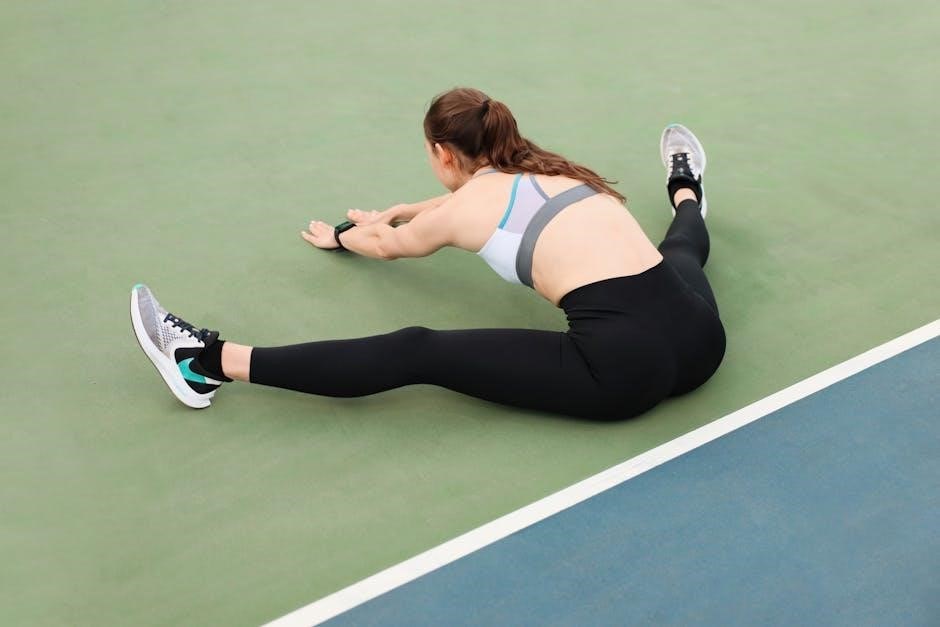
While exercises are beneficial‚ be mindful of potential exacerbations. Stop immediately if you experience increased numbness‚ tingling‚ or pain radiating down your arm or hand. Avoid activities that significantly compress the space between your collarbone and first rib.
Individuals with Vascular TOS require particularly careful monitoring and should avoid exercises that could potentially compromise blood flow. Do not perform exercises that cause dizziness‚ lightheadedness‚ or changes in skin color.
Pay attention to your posture throughout the day‚ as poor posture can contribute to TOS symptoms. Modify exercises as needed based on your comfort level and progress‚ always under the guidance of your healthcare provider.

Specific Exercises for TOS Relief
Explore a range of exercises carefully selected to address muscle imbalances‚ improve nerve function‚ and promote optimal shoulder and neck mechanics for lasting relief.
Neck & Shoulder Stretches
Targeting tension in the neck and shoulder region is crucial for alleviating symptoms of Thoracic Outlet Syndrome. These stretches aim to lengthen tight muscles that can compress nerves and blood vessels. Regularly performing these exercises can improve range of motion‚ reduce pain‚ and promote better posture. Remember to execute each stretch slowly and gently‚ avoiding any sharp or shooting pain.
Focus on feeling a mild stretch‚ not discomfort. Holding each stretch for 20-30 seconds‚ and repeating 2-3 times‚ will maximize benefits. Consistency is key; incorporate these stretches into your daily routine for optimal results. Prioritize proper form over depth to prevent further irritation. These foundational stretches prepare the body for more advanced exercises.
Levator Scapulae Stretch
The Levator Scapulae Stretch specifically targets the muscle running from the top of your shoulder blade to the neck. To perform this stretch‚ gently tilt your head forward and towards the opposite shoulder. Use your hand on the same side to gently increase the stretch by applying slight downward pressure on the back of your head.
You should feel a stretch along the side and back of your neck. Hold this position for 20-30 seconds‚ repeating 2-3 times on each side. Avoid forcing the stretch; listen to your body and stop if you experience any pain. This stretch helps release tension that can contribute to nerve compression in the thoracic outlet.
Scalene Stretch
The Scalene Stretch focuses on the muscles located on the side of your neck‚ often tight in individuals with Thoracic Outlet Syndrome. Begin by sitting upright with good posture. Gently tilt your head away from the side you want to stretch‚ then look upwards towards the ceiling.
You should feel a stretch along the side of your neck. To deepen the stretch‚ gently use your hand on the same side to apply slight downward pressure on your head. Hold for 20-30 seconds‚ repeating 2-3 times on each side. Avoid any sharp pain and breathe deeply throughout the exercise.
Chest & Pectoral Stretches
Opening the chest and stretching the pectoral muscles is crucial for improving posture and relieving pressure on the thoracic outlet. Tight chest muscles can contribute to rounded shoulders‚ exacerbating TOS symptoms; These stretches aim to counteract this‚ creating more space for nerves and blood vessels.
Regularly performing these stretches can help restore proper shoulder alignment and reduce compression. Remember to maintain good posture throughout each exercise and avoid overstretching; Focus on feeling a gentle stretch‚ not pain. Consistency is key for achieving lasting benefits and improved comfort.
Corner Stretch
To perform the corner stretch‚ stand facing a corner with your forearms on each wall‚ elbows at shoulder height. Gently lean into the corner until you feel a stretch across your chest and the front of your shoulders.
Hold this position for 20-30 seconds‚ breathing deeply. Repeat 2-3 times. This stretch effectively targets the pectoral muscles‚ helping to open the chest and improve posture. Ensure your back remains straight and avoid arching your lower back. Modify the elbow height to adjust the stretch intensity. This is a simple yet powerful stretch for TOS relief.
Doorway Stretch
The doorway stretch is another excellent way to address tight pectoral muscles contributing to thoracic outlet syndrome. Stand in a doorway and place your forearms on the doorframe‚ elbows bent at 90 degrees and at shoulder height.
Gently lean forward until you feel a stretch in your chest and shoulders. Hold this position for 20-30 seconds‚ focusing on deep‚ relaxed breathing. Repeat 2-3 times. Avoid overstretching or forcing the movement. This stretch helps to improve posture and create more space in the thoracic outlet‚ easing nerve and vessel compression.
Strengthening Exercises
Strengthening the muscles surrounding the shoulder and upper back is crucial for long-term TOS management. Weakness in these areas can contribute to poor posture and exacerbate compression. These exercises focus on building endurance and stability‚ supporting proper shoulder mechanics.
Consistent strengthening helps counteract the muscle imbalances often seen in individuals with TOS. Remember to perform these exercises with proper form to avoid further irritation. Start with a low number of repetitions and gradually increase as your strength improves. Listen to your body and stop if you experience any pain.
Scapular Squeezes
Scapular squeezes are a foundational exercise for strengthening the muscles that stabilize your shoulder blades. How to perform: Sit or stand with good posture‚ arms relaxed at your sides. Gently squeeze your shoulder blades together‚ as if trying to hold a pencil between them. Hold for five seconds‚ focusing on engaging the muscles between your shoulder blades.

Repeat 10-15 times. Important cues: Keep your shoulders down and relaxed‚ avoid shrugging them up towards your ears. This exercise helps improve posture and create more space in the thoracic outlet‚ reducing compression on nerves and blood vessels. Perform this exercise 2-3 times daily.
Chin Tucks
Chin tucks are a gentle yet effective exercise to correct forward head posture‚ a common contributor to thoracic outlet syndrome. How to perform: Sit or lie down with your back straight. Gently draw your chin back towards your neck‚ creating a “double chin” appearance. Avoid tilting your head up or down; the movement should be purely horizontal.
Hold for five seconds‚ feeling a stretch at the base of your skull. Repeat 10-15 times. Important cues: Keep your eyes looking straight ahead. This exercise strengthens deep neck flexor muscles‚ improving head and neck alignment and reducing pressure on nerves. Perform 2-3 times daily.
Nerve Gliding Exercises
Nerve gliding exercises‚ also known as nerve flossing‚ aim to improve the mobility of nerves as they travel through the thoracic outlet. These movements gently encourage nerves to slide and glide‚ preventing adhesions and reducing compression. Important note: These exercises should be performed slowly and deliberately. Stop immediately if you experience increased pain‚ numbness‚ or tingling.
We will focus on three key nerves: ulnar‚ median‚ and radial. Each glide has specific hand and arm positions. Consistent performance‚ as directed by a healthcare professional‚ can significantly improve nerve function and alleviate TOS symptoms. Begin with a few repetitions and gradually increase as tolerated.
Ulnar Nerve Glide
To perform the ulnar nerve glide: Begin with your arm extended‚ palm facing up. Bend your elbow‚ bringing your hand towards your shoulder‚ while simultaneously extending your wrist and fingers. Next‚ bend your wrist downwards‚ pointing your fingers towards the floor‚ and then straighten your arm. Repeat this motion slowly and rhythmically.
Focus on feeling a gentle stretch along the inner arm and little finger. Perform 10-15 repetitions‚ 2-3 times daily. Avoid holding your breath during the exercise. If you experience any sharp pain or increased symptoms‚ stop immediately and consult your healthcare provider. This glide helps mobilize the ulnar nerve‚ reducing compression.

Median Nerve Glide
To execute the median nerve glide: Start with your arm straight‚ palm facing down. Bend your elbow‚ bringing your hand towards your shoulder‚ while simultaneously extending your wrist and fingers. Then‚ bend your wrist downwards‚ pointing your fingers towards the floor‚ and rotate your palm upwards. Finally‚ straighten your arm and return to the starting position.
Concentrate on a gentle stretch along the forearm and thumb side of the hand. Complete 10-15 repetitions‚ 2-3 times each day. Breathe deeply throughout the exercise. Discontinue if you feel any intense pain or worsening of symptoms. This glide aims to improve the median nerve’s movement‚ alleviating compression and discomfort.
Radial Nerve Glide
Performing the radial nerve glide: Begin with your arm extended‚ palm facing down. Gently bend your elbow and simultaneously extend your wrist‚ pointing your fingers downwards. Next‚ rotate your forearm so your palm faces upwards‚ maintaining the wrist extension. Then‚ bend your wrist backwards‚ pointing your fingers towards your body‚ and straighten your arm.
Focus on a gentle stretch along the back of your forearm and the thumb side of your hand. Repeat 10-15 times‚ 2-3 times daily. Maintain relaxed shoulders and breathe deeply. Stop immediately if you experience sharp pain or increased symptoms. This exercise promotes radial nerve mobility‚ reducing potential compression and associated discomfort.

Long-Term Management & Prevention
Sustained wellness requires consistent practice of exercises‚ mindful posture‚ and ergonomic adjustments to minimize recurrence and maintain optimal shoulder function.
Maintaining Good Posture
Optimal posture is fundamental to long-term TOS management‚ reducing compression within the thoracic outlet. Consciously cultivate an upright stance‚ avoiding slouching or rounding of the shoulders. Imagine a string pulling you upwards from the crown of your head.
Focus on ear alignment – ears should be positioned directly above your shoulders‚ not drifting forward. Engage your core muscles to support your spine‚ preventing excessive curvature. When seated‚ ensure your chair provides adequate lumbar support and your feet are flat on the floor.
Regular postural checks throughout the day are crucial. Set reminders on your phone or computer to reassess your alignment. Incorporate posture-correcting exercises into your daily routine‚ reinforcing proper body mechanics and preventing habitual poor posture. This proactive approach minimizes strain and promotes lasting relief.
Ergonomic Adjustments for Daily Life
Adapting your environment is key to preventing TOS symptom aggravation. Optimize your workspace: position your monitor at eye level‚ ensuring your neck remains neutral. Utilize a supportive chair with adjustable armrests‚ promoting relaxed shoulders.
Minimize repetitive movements and awkward postures during daily tasks. When carrying bags‚ distribute weight evenly or switch sides frequently. Avoid prolonged static positions; take regular breaks to stretch and move around.
Consider a voice-activated system for dictation to reduce arm and shoulder strain. Evaluate your sleeping position – avoid sleeping on your side with your arm elevated; Small‚ consistent ergonomic changes can significantly reduce pressure on the thoracic outlet‚ fostering long-term comfort and function.